Listen: Spotify · Apple Podcasts · YouTube
Episode 53 · Released February 25, 2025 · 1 hr 3 min
About this episode
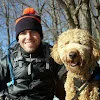
Anastasia Wilde and Jason Peters photograph Destination Trail's 200-mile races. They join Kevin Goldberg and Peter Noyes to share what it's like to document runners over multiple days in remote terrain.
They describe how they got into race photography, the planning that goes into capturing the best moments, and the challenges, especially sleep deprivation from 20-hour workdays. They share epic failures, emotional moments and the use of drones in race coverage, along with how they think about consent and dignity when an athlete is at their lowest.
It's a look at the camaraderie and unique challenges of the people working behind the camera.
They also share how they try to find a balance between shooting as much as possible and protecting a few hours of sleep each night, and why photographers are usually much farther from an aid station than runners assume.
They also share memorable moments, both epic failures and emotional highs.
About the guest
Anastasia Wilde and Jason Peters are race photographers who have covered Destination Trail's 200-mile races, including Bigfoot, Moab and Tahoe.
Key takeaways
- Sleep deprivation is the photographers' limiter too. Twenty-hour days are common.
- Great race photography takes careful planning around remote access points.
- Respecting athletes' consent and dignity on camera matters.
- Drones and new tech are changing how 200s are covered.
“Sleep deprivation is our biggest issue. It's not uncommon that we're working 20 hour days.”
— Jason Peters
Related episodes
- Ep. 96: Bigfoot 200 Deep Dive! Course Preview, Tips & Strategies
- Ep. 32: 2024 Bigfoot 200 Course Preview
- Ep. 39: 2024 Moab 240 Course Preview
Training for your own 200? Distance to Empty coaching · Become a member · All episodes